Setting Your Classroom Up for Success: Make Room for Curiosity
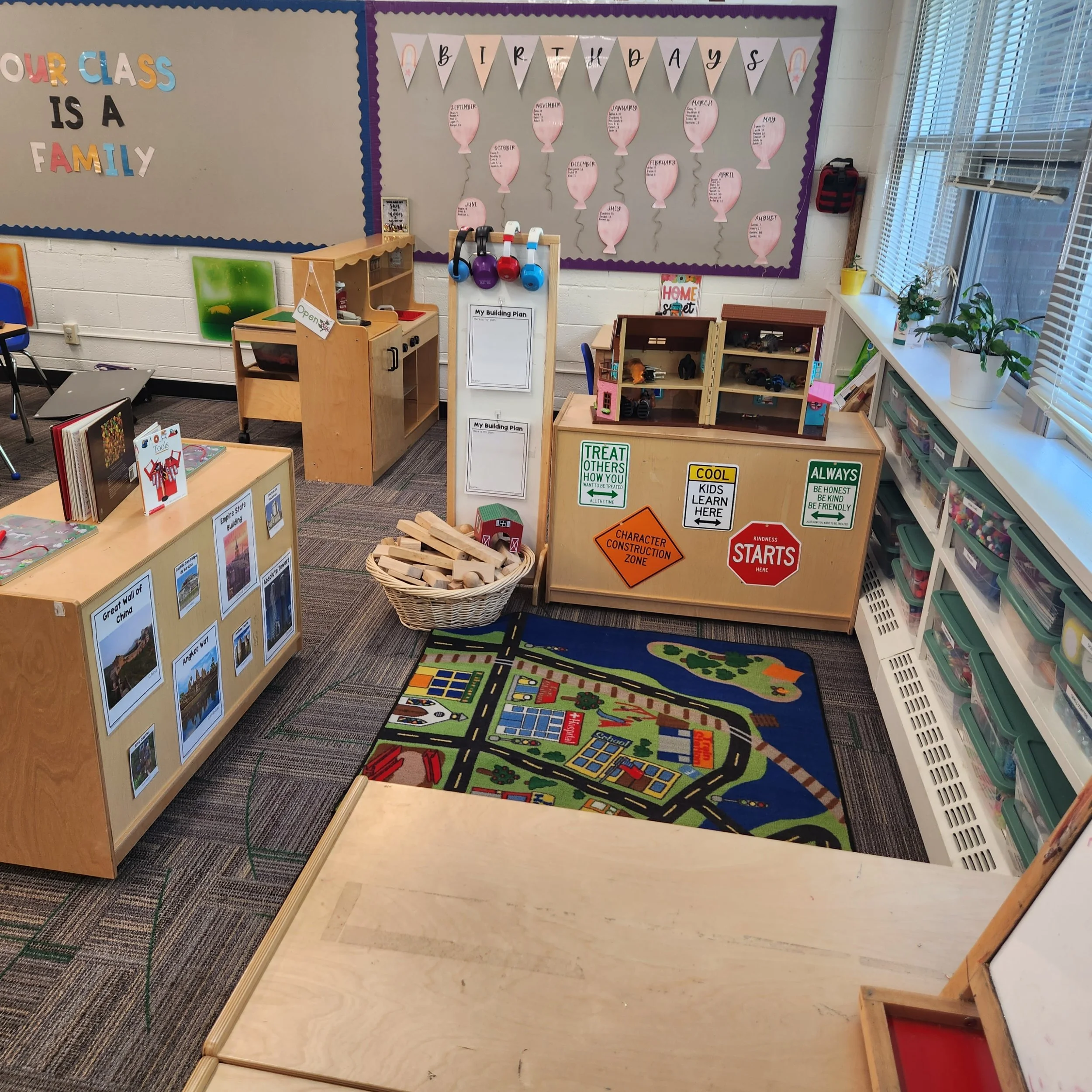
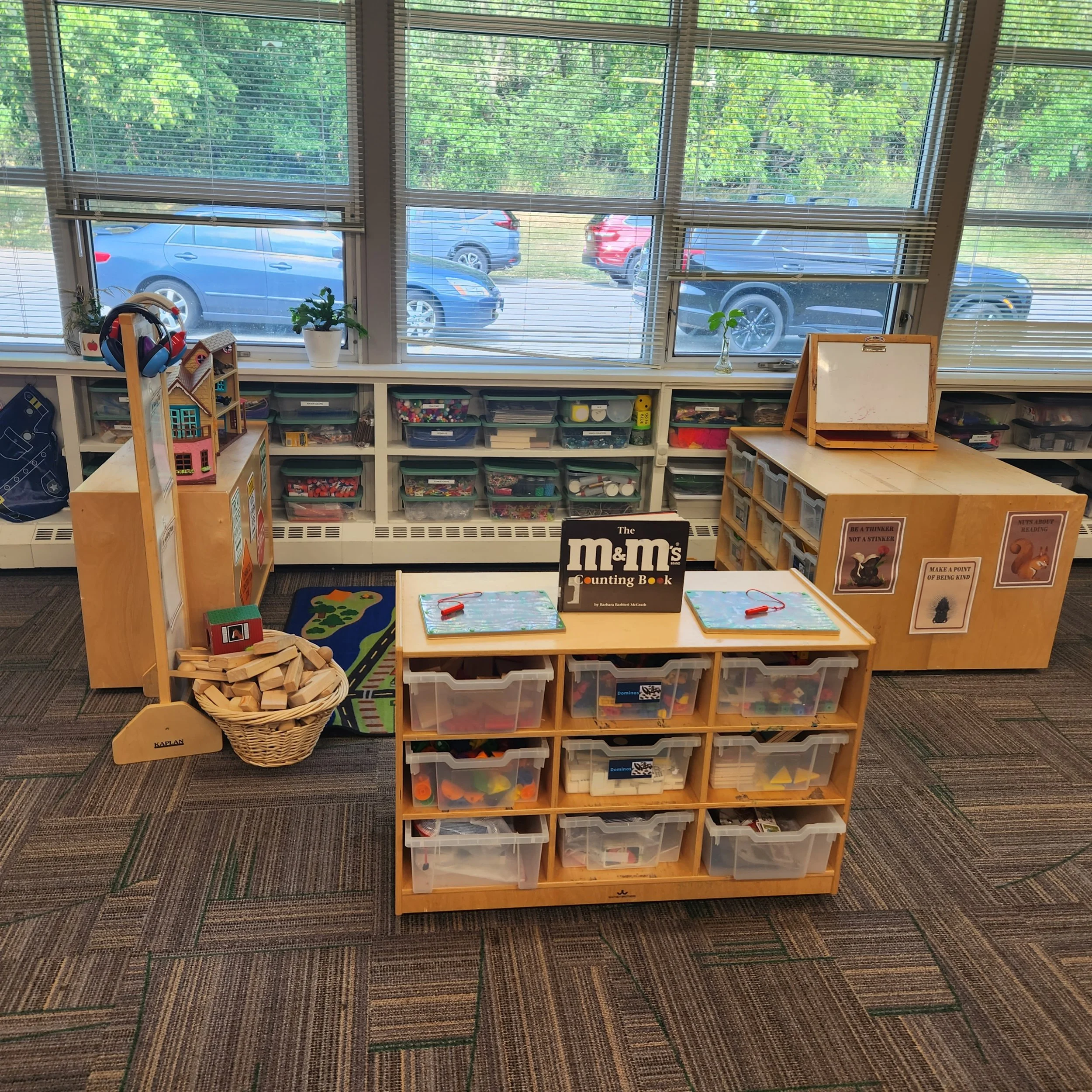
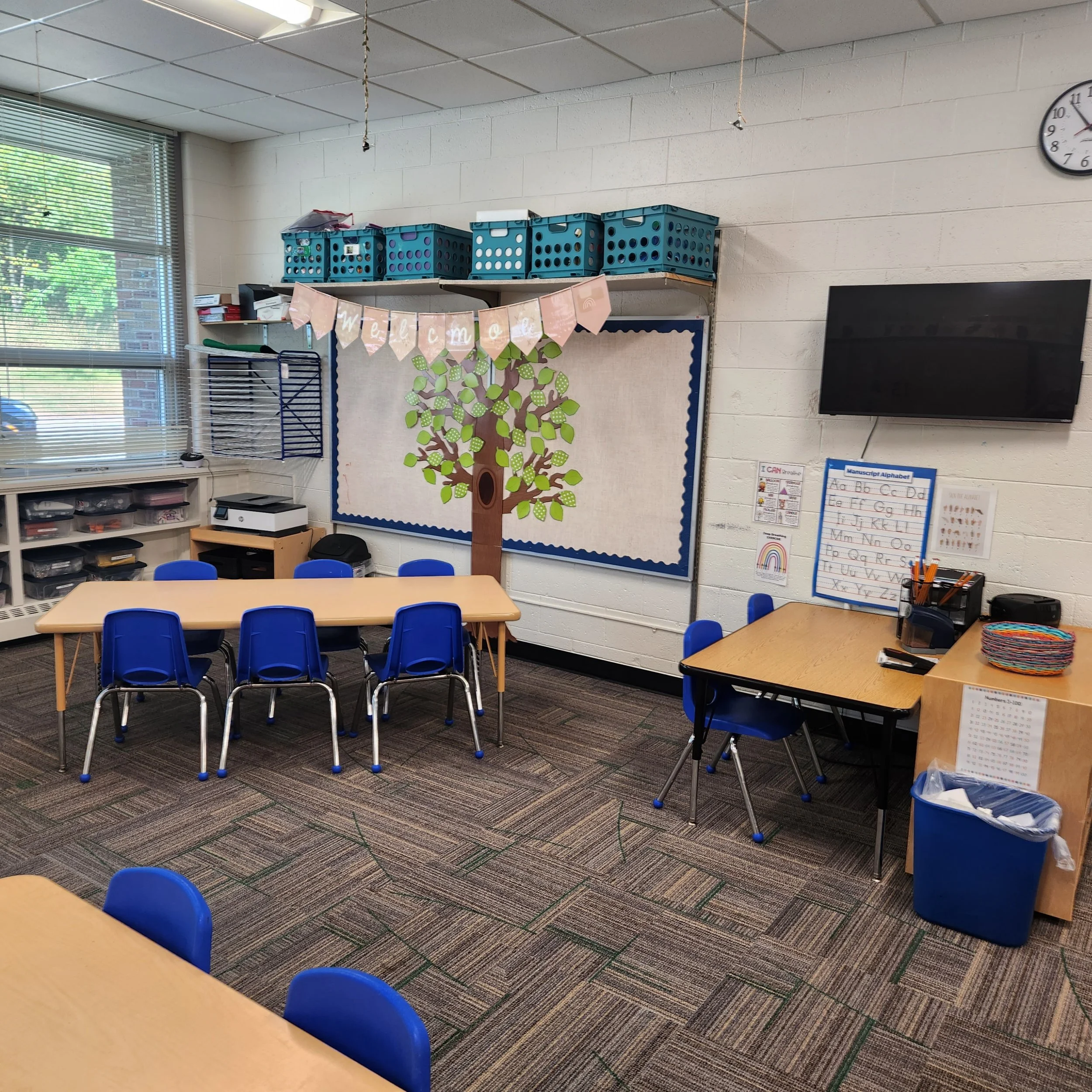
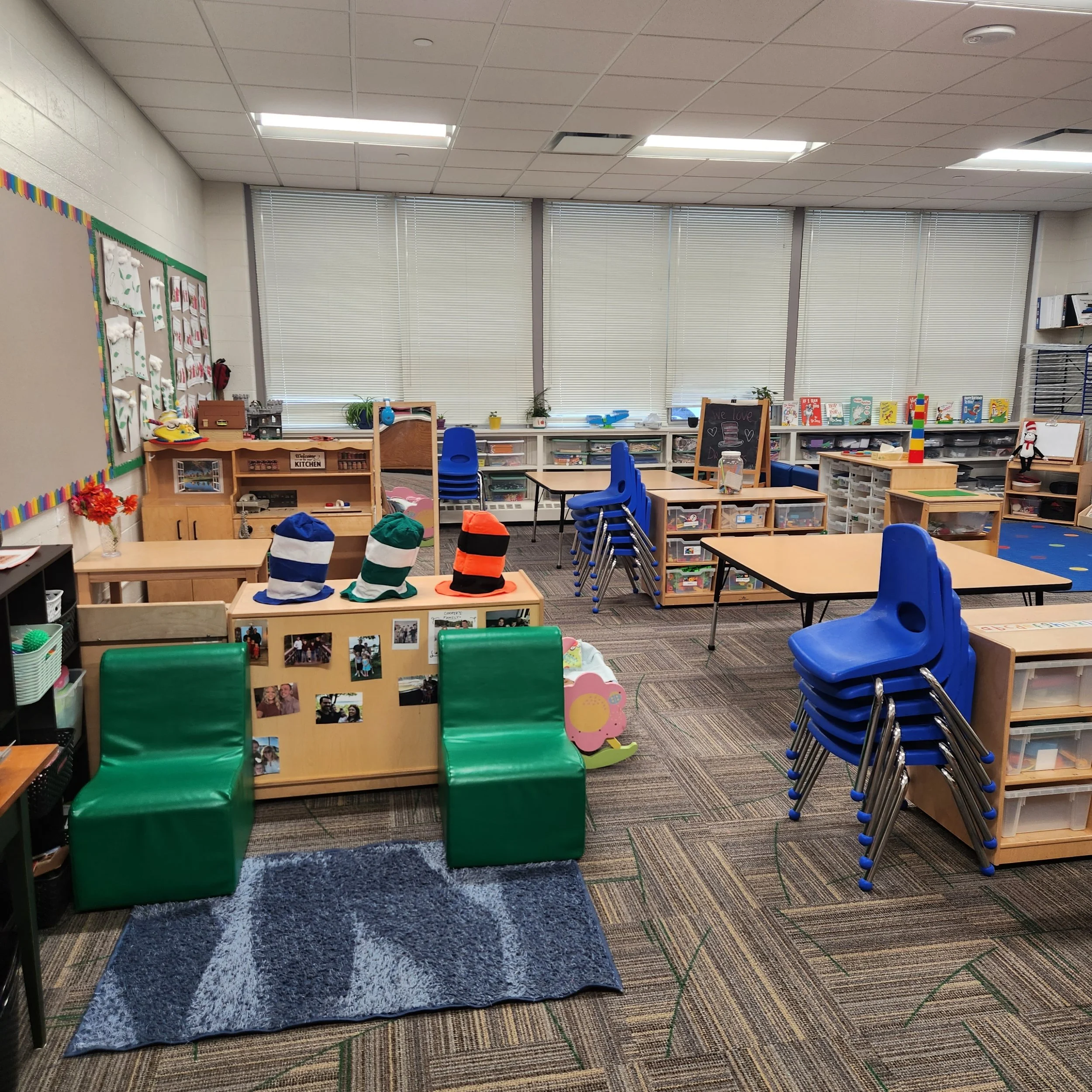
It’s easy to scroll through Pinterest and feel like your classroom needs matching baskets, a perfectly coordinated theme, and a bulletin board for every corner.
But when little learners walk through your door, they’re looking for something much simpler: a place where they feel welcome, safe, and excited to explore.
At TinyMindsMatter, I believe a successful classroom begins with the children who fill it. Beautiful decorations can bring joy, but so can a basket of well-loved blocks, a cozy spot to read, and a teacher who says, “I’m so glad you’re here!”
Your classroom doesn’t have to be Pinterest-worthy to be full of possibilities.
Start with a Sense of Belonging
Before children can settle into learning, we want them to feel that they belong.
Think about your classroom from a child’s point of view. Can they find their name? Do they know where their belongings go? Are there books, pictures, and materials that reflect them and their families?
Small touches help make a big space feel familiar:
A cubby labeled with their name and photo
A family picture they can visit when they miss home
A warm greeting as they arrive
A comfortable place to take a break
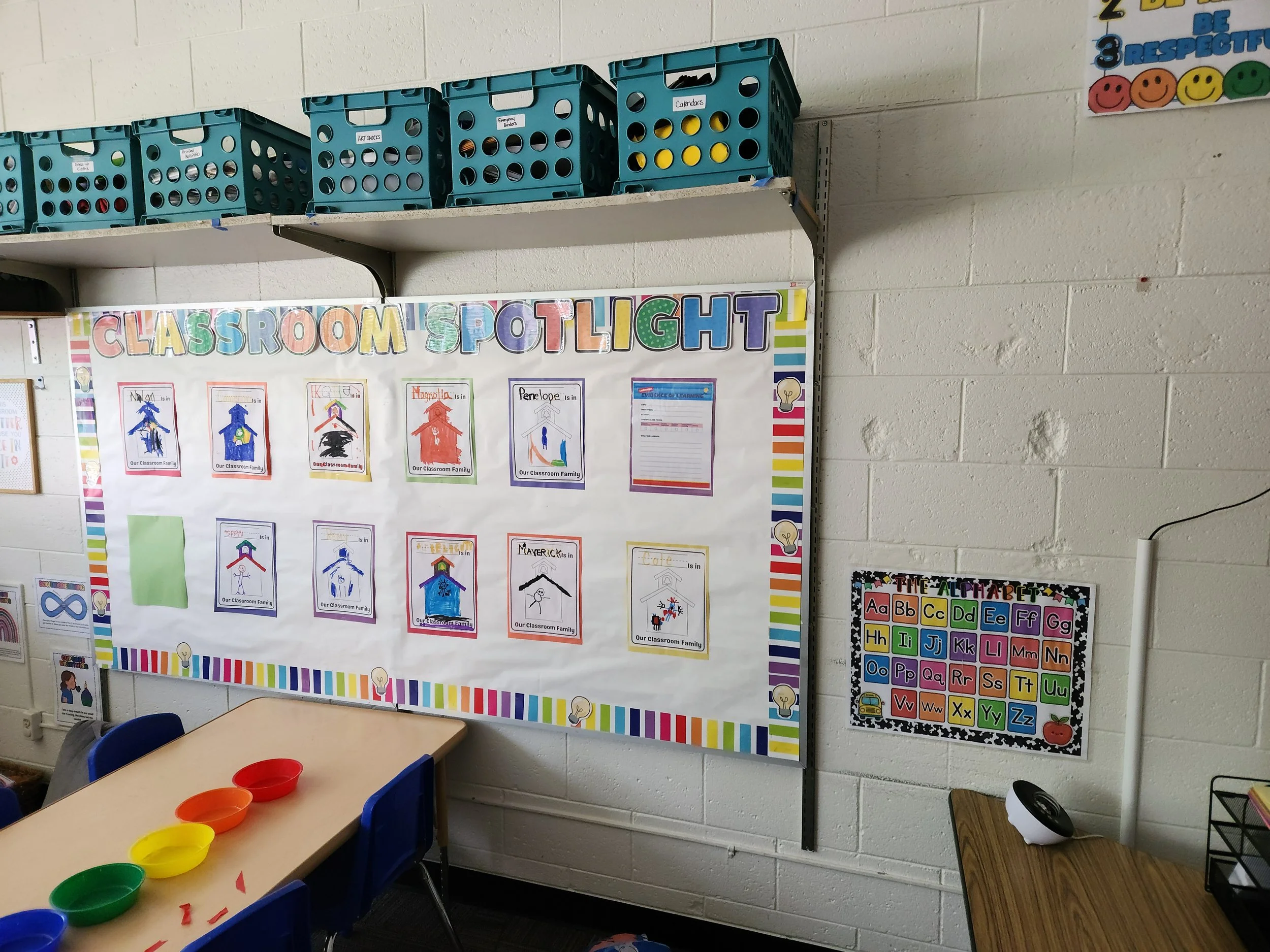
Space to display their drawings, discoveries, and creations
Leave some walls empty at the beginning of the year. As children create and learn, their work can become part of the room. There is something special about hearing a child point to a display and say, “I made that!”
Make Materials Easy to Find and Use
A classroom that works for young children gives them opportunities to do things for themselves.
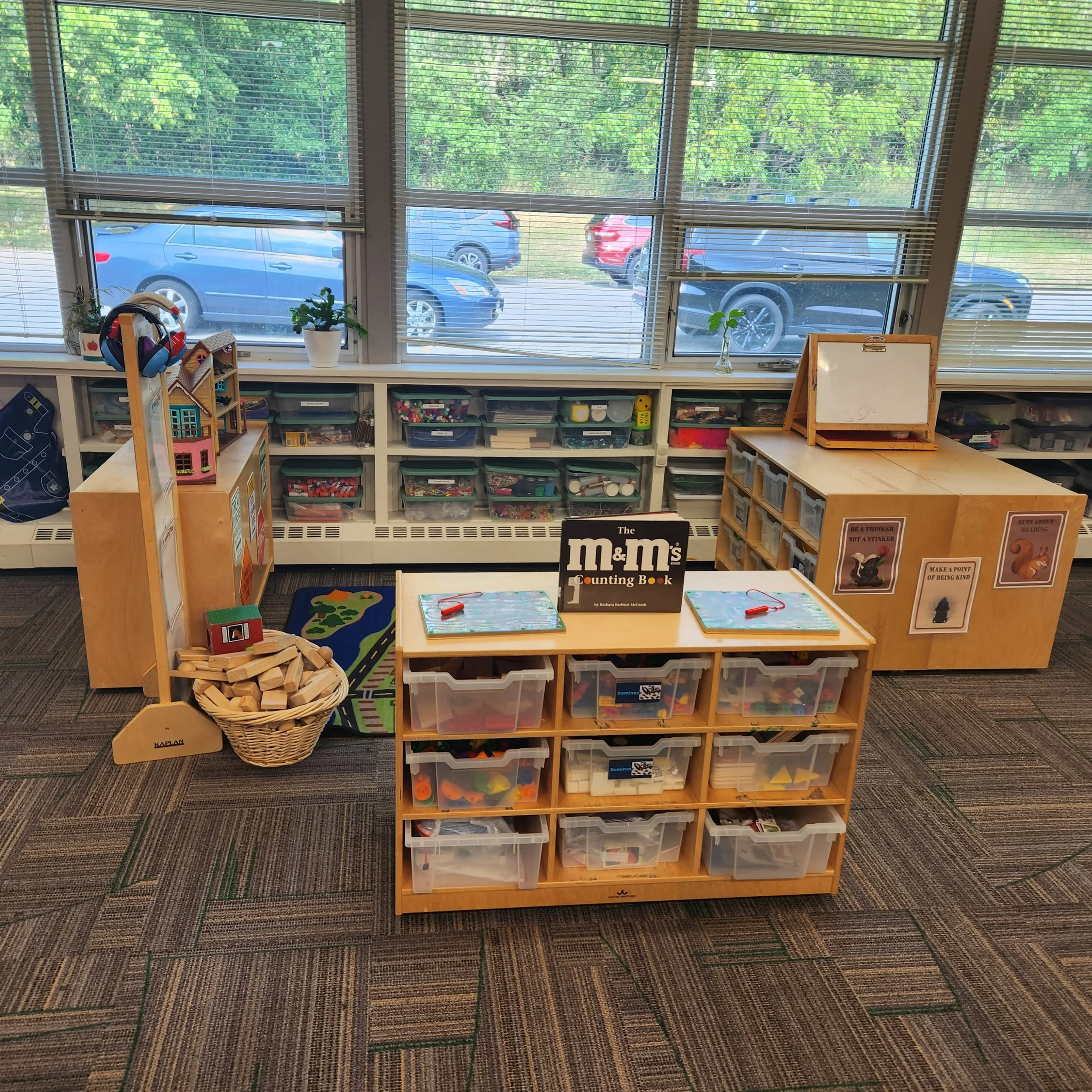
Keep everyday materials within reach. Use simple picture labels so children can see where items belong. Give blocks, art supplies, books, and manipulatives a clear home.
Start with a manageable selection of materials. You can add or rotate items as children’s interests grow. A shelf with a few inviting choices can make it easier for a child to decide where to begin.
And remember: organizing a classroom is an ongoing process. If a basket is always dumped out or a center feels crowded, that gives you useful information. Move things around, simplify, and try again.
Add Invitations to Wonder
Some of the best learning begins with a child asking, “What’s that?”
You don’t need expensive supplies to spark curiosity. A few thoughtfully placed materials can invite children to look closer, ask questions, and try something new.
Try setting out:
Leaves, pinecones, and magnifying glasses
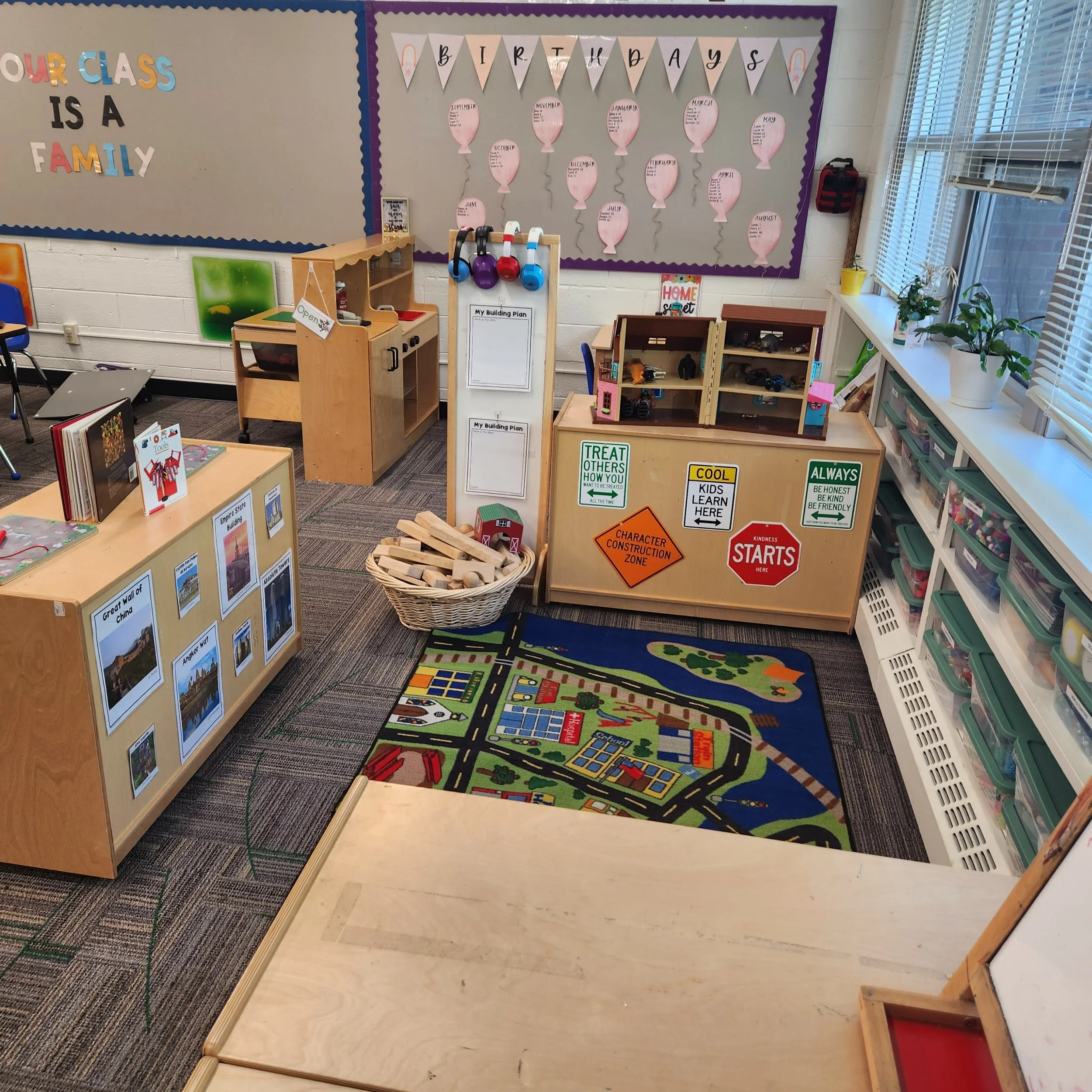
Blocks alongside pictures of bridges or buildings
Playdough with craft sticks and loose parts appropriate for your learners
A basket of objects to sort, count, and compare
Paper and crayons near a favorite classroom plant
You don’t have to plan a finished product for every invitation. Sometimes the goal is simply to explore.
What do children notice? What do they try? What questions do they ask?
Their ideas can help guide what comes next.
Make Room for Play
Young children need space to build, pretend, move, create, and try again.
As you arrange your classroom, think about how children will actually use it. Is there enough room to build a block tower? Can two children work together at the art table? Is there a quieter place for a child who needs a slower moment?
A busy building area may work best away from the cozy reading corner. Clear walking paths can make it easier to move through the room. An accessible art area gives children opportunities to create throughout the day.
A classroom set up for success supports the kind of learning we want to see: hands-on, playful, and full of discovery.
Help Children Know What to Expect
The environment includes our routines, too.
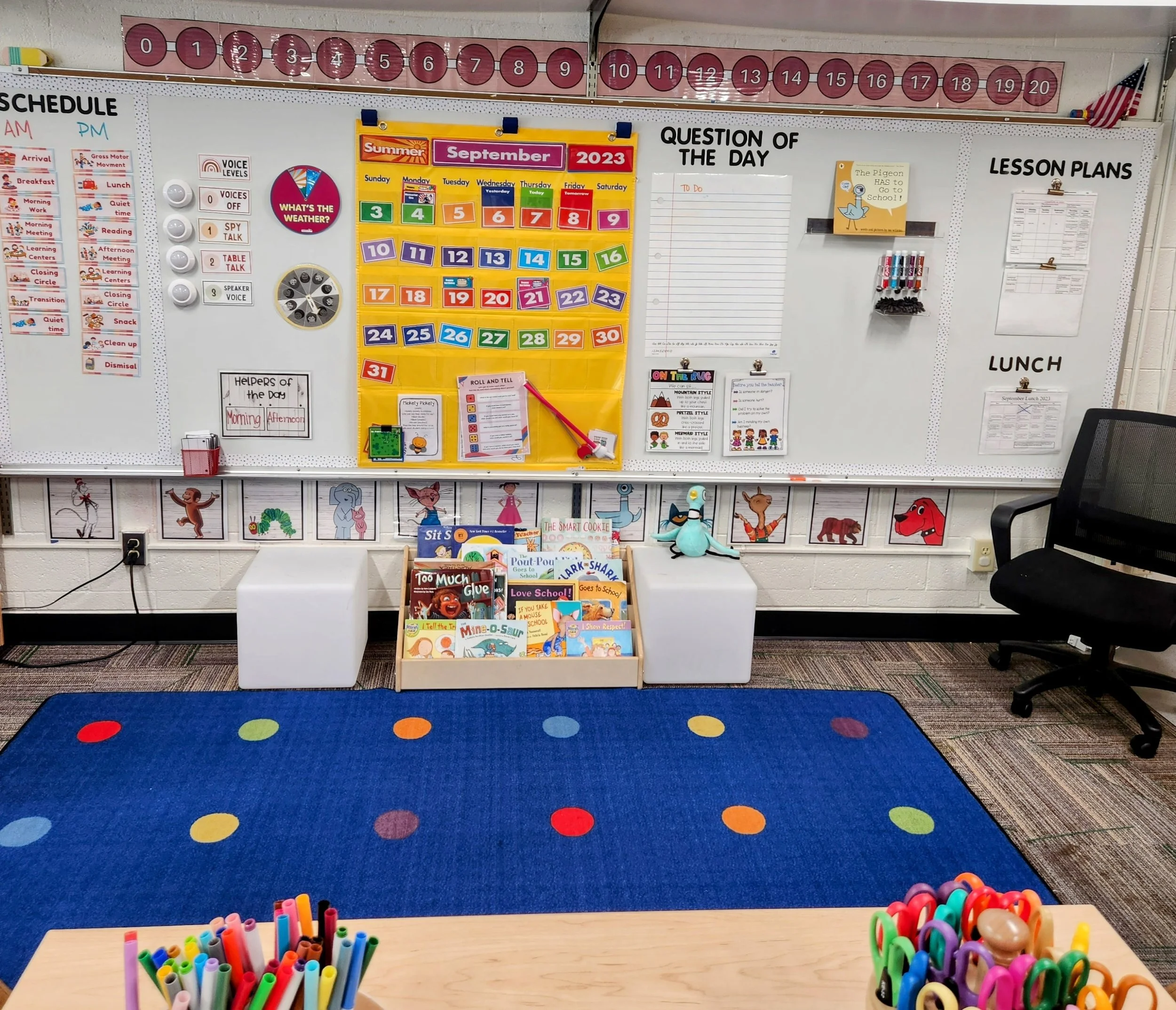
Simple visual schedules, picture directions, and consistent expectations help children understand their day. Teach routines in small steps, model them, and give children plenty of practice.
Where do we put our finished work? How do we ask to join a game? What does cleaning up look like?
These are skills we teach with patience. A welcoming classroom gives children room to learn them.
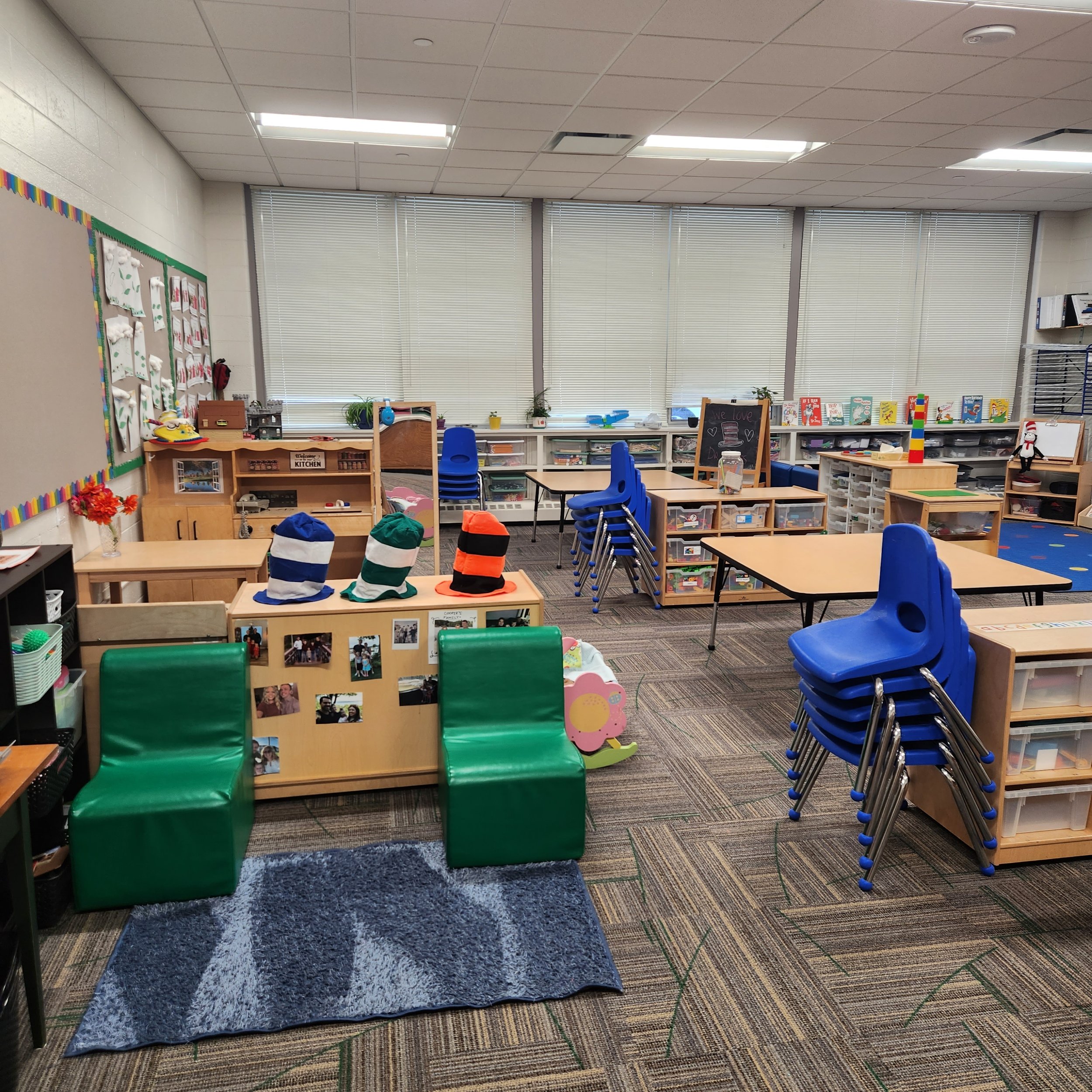
Let Your Classroom Grow with Your Learners
Your room doesn’t need to be finished before the first child arrives.
Watch where children gather. Notice which materials hold their attention. Make changes when something isn’t working. Add books, props, and activities that connect to their questions.
Maybe an interest in bugs leads to a discovery table. Maybe a love of building inspires a collection of cardboard tubes and boxes.
The classroom becomes more meaningful when children help shape it.
At TinyMindsMatter, I want little learners to have places where they feel seen, where their ideas matter, and where they can say, “I wonder what would happen if…”
So hang the decorations you love. Use the baskets you already have. Leave room for children’s work, unexpected discoveries, and a little mess along the way.
A welcoming classroom is one children are excited to return to—and one where their tiny minds have room to grow.
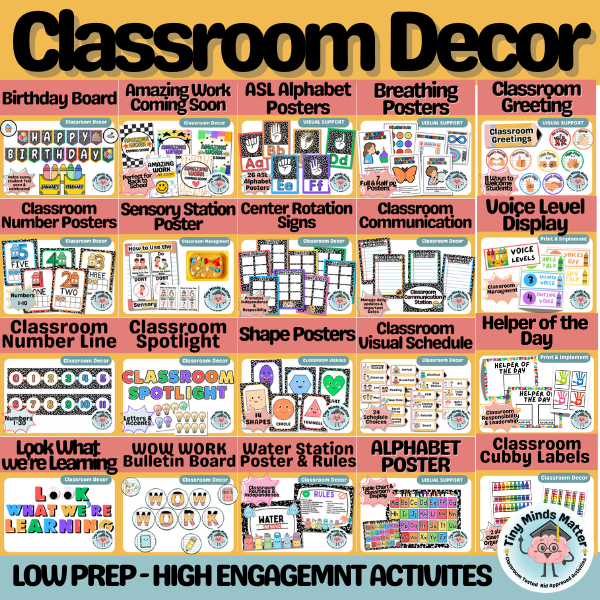
Looking for resources to help you create a welcoming classroom? Check out the Classroom Management and Decor section in my TinyMindsMatter store on Teachers Pay Teachers! You’ll find resources I’ve created and used in my own classroom to support daily routines, build independence, and help little learners feel at home.
FIND THE LINK HERE
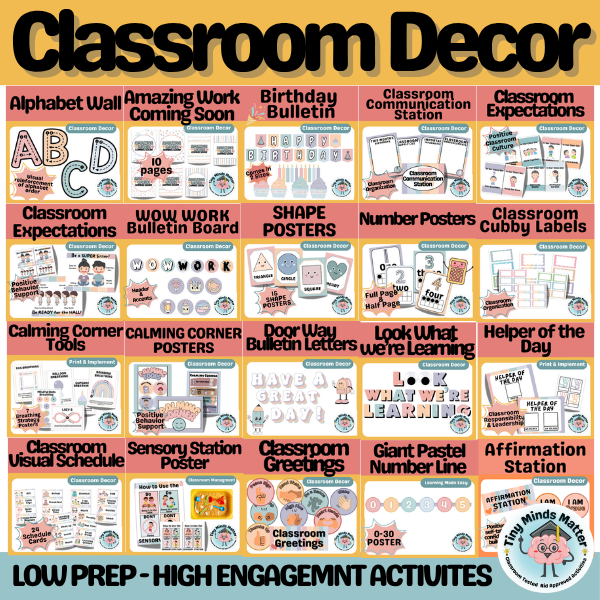
TinyMindsMatter | Teachers Pay Teachers « Classroom Decor
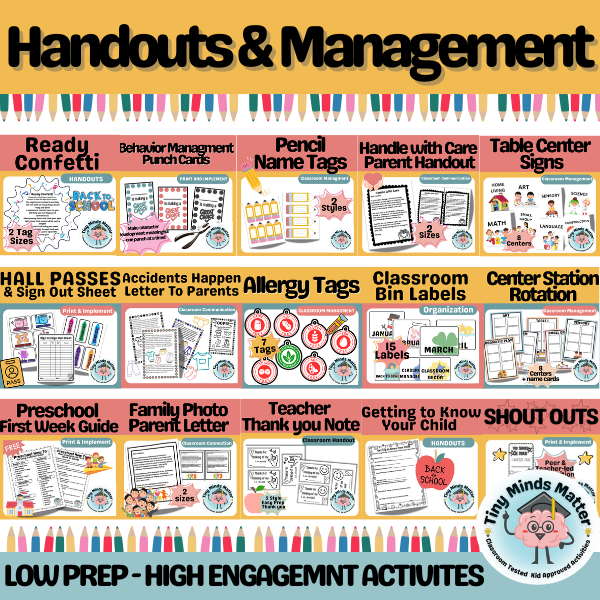
TinyMindsMatter | Teachers Pay Teachers « Classroom Management
